


Secure Online Church Records Access: A Practical Guide
- James Brown
- Jun 1
- 4 min read

Accessing and managing church records is a vital task for religious institutions. These records hold sacramental information, historical data, and legal documentation. With the rise of digital technology, many churches now turn to online platforms for easier access and better security. However, online church records access requires careful attention to safety and privacy. I will share clear, practical steps to help you access these records online safely and efficiently.
Understanding Online Church Records Access
Online church records access means using digital tools and platforms to view, manage, and store church documents. These records include baptismal certificates, marriage licenses, confirmation records, and burial registers. Moving these records online offers many benefits:
Improved accessibility: Authorized personnel can access records anytime and anywhere.
Better organization: Digital files are easier to sort, search, and update.
Enhanced security: Proper systems protect sensitive information from loss or damage.
Despite these advantages, online access also introduces risks. Unauthorized access, data breaches, and accidental data loss are real concerns. Therefore, it is essential to implement strong security measures and follow best practices.

Best Practices for Safe Online Church Records Access
To protect your church’s records, follow these key safety practices:
Use secure platforms
Choose reputable software or services designed for church record management. Look for platforms with encryption, regular backups, and user access controls.
Control user access
Limit access to authorized staff only. Assign roles and permissions based on job responsibilities. Use strong passwords and change them regularly.
Enable two-factor authentication (2FA)
Add an extra layer of security by requiring a second form of verification, such as a code sent to a mobile device.
Regularly back up data
Schedule automatic backups to secure locations. This protects against accidental deletion or cyberattacks.
Train staff on security protocols
Educate everyone involved in record management about phishing, password safety, and data privacy.
Keep software updated
Install updates and patches promptly to fix security vulnerabilities.
Monitor access logs
Review records of who accessed the system and when. This helps detect suspicious activity early.
By following these steps, you reduce the risk of data breaches and ensure your church records remain confidential and intact.
How to Find Old Church Records?
Finding old church records can be challenging but rewarding. These records often contain valuable historical and genealogical information. Here are practical ways to locate them:
Contact the local parish or diocese
Many churches keep archives of sacramental records. Reach out to the parish office or diocesan archive for assistance.
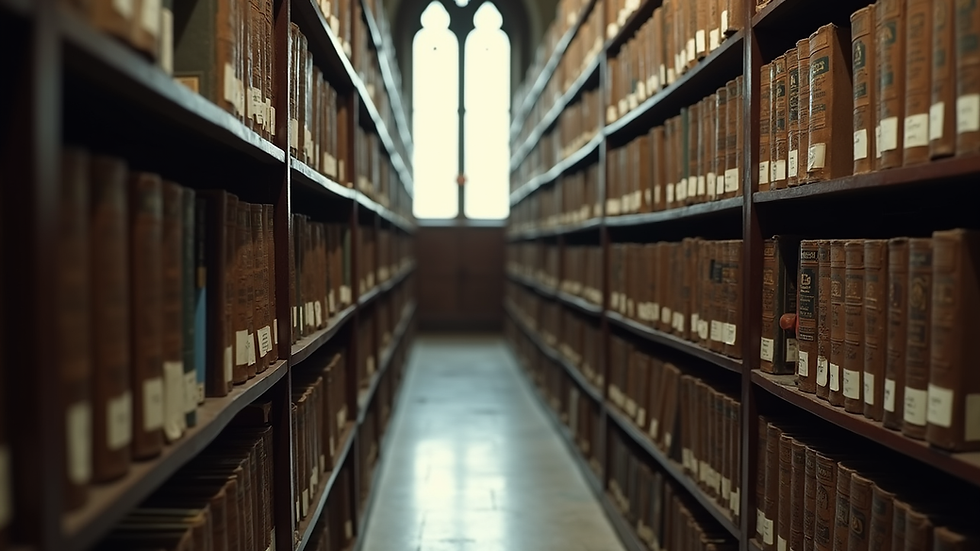
Visit church archive libraries
Some churches maintain dedicated archive libraries with organized collections of old records.
Search online databases
Several websites host digitized church records. Use keywords related to your church’s name, location, and time period.
Check national or regional archives
Government archives sometimes hold copies of church records, especially for older documents.
Use microfilm or physical copies
Some records may only exist in physical form or on microfilm. Arrange visits to view these materials in person.
When searching, be patient and methodical. Record details such as dates, names, and locations carefully to avoid confusion.

Managing Church Records Online Efficiently
Once you have access to church records online, managing them properly is crucial. Here are some tips to keep your digital archive organized and compliant:
Create a clear folder structure
Organize files by type, date, or parish. Use consistent naming conventions for easy retrieval.
Digitize physical records carefully
Scan documents at high resolution. Save files in standard formats like PDF or TIFF.
Index records with metadata
Add searchable information such as names, dates, and event types to each file.
Implement retention policies
Follow canon law and local regulations on how long to keep records. Archive or delete outdated files accordingly.
Use audit trails
Track changes and access to records to maintain accountability.
Regularly review and update records
Ensure information is accurate and complete. Correct errors promptly.
Efficient management saves time and reduces errors. It also supports compliance with legal and ecclesiastical requirements.
Protecting Privacy and Complying with Canon Law
Privacy is a top priority when handling church records. These documents often contain sensitive personal information. Here are steps to protect privacy and comply with canon law:
Limit data exposure
Share records only with authorized individuals. Avoid publishing sensitive information online.
Follow data protection laws
Understand and comply with relevant privacy regulations, such as GDPR or local laws.
Obtain consent when necessary
Seek permission before sharing personal data, especially for living individuals.
Secure physical and digital records
Use locked cabinets for paper files and encrypted storage for digital files.
Document policies and procedures
Maintain clear guidelines on record handling, access, and retention.
Consult with church authorities
Ensure your practices align with canon law and diocesan directives.
By respecting privacy and legal requirements, you uphold the trust placed in your institution and protect individuals’ rights.
Moving Forward with Confidence
Accessing and managing church records online safely is achievable with the right approach. Prioritize security, organization, and compliance. Use trusted platforms and follow best practices to protect your valuable records. Remember to train staff and monitor access regularly.
For those looking to streamline their record management, consider solutions designed specifically for churches. These tools can simplify administrative tasks and help maintain compliance with canon law.
If you want to explore more about managing church records online, visit trusted resources and platforms that specialize in church archives.
Taking these steps ensures your church’s history and sacramental records remain secure and accessible for generations to come.


Comments