


Crafting Your Church Record Retention Policy: Understanding Church Archive Retention Rules
- James Brown
- 11 minutes ago
- 4 min read

Managing church records is a critical responsibility. These records document important events such as baptisms, marriages, and funerals. They also support administrative functions and legal compliance. To handle these records properly, every church needs a clear and effective retention policy. This policy guides how long records are kept, how they are stored, and when they can be safely disposed of. In this post, I will explain the key elements of church archive retention rules and offer practical advice for creating a policy that works.
Understanding Church Archive Retention Rules
Church archive retention rules define how long different types of records should be kept. These rules help protect sensitive information and ensure compliance with legal and religious requirements. They also help prevent the loss of valuable historical data.
Retention periods vary depending on the type of record. For example:
Sacramental records such as baptism, confirmation, marriage, and burial certificates often need to be kept permanently.
Financial records like donation receipts and expense reports may be kept for 7 years or as required by tax authorities.
Personnel records for church staff should be retained for a specific period after employment ends, often 7 years.
Meeting minutes and official correspondence may be kept for 3 to 7 years depending on their importance.
It is important to consult both civil law and canon law when setting retention periods. Canon law often requires permanent preservation of sacramental records. Civil law may impose additional requirements for financial and personnel documents.
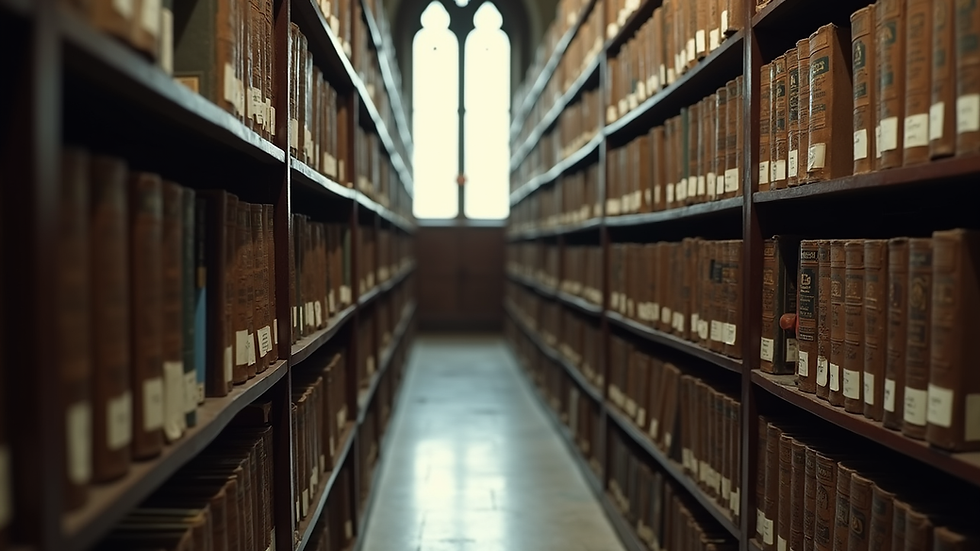
Steps to Create a Church Record Retention Policy
Creating a church record retention policy involves several clear steps. Follow these to build a policy that fits your church’s needs:
Identify all types of records your church generates. Include sacramental, financial, administrative, and personnel records.
Research legal and religious requirements for each record type. Check local laws and canon law guidelines.
Set retention periods for each category of records. Use the longest required period if multiple rules apply.
Decide on storage methods. Choose secure physical storage or digital archiving solutions. Ensure records are protected from damage and unauthorized access.
Establish procedures for record disposal. Define when and how records can be destroyed safely and confidentially.
Assign responsibility for managing records. Designate a person or team to oversee compliance with the policy.
Review and update the policy regularly. Laws and church needs change, so keep the policy current.
By following these steps, you create a clear framework that helps your church manage records efficiently and responsibly.
What happens to church records when a church closes?
When a church closes, its records still need proper care. These records remain important for former members, legal matters, and historical preservation. The church leadership or governing body must decide how to handle the records.
Common options include:
Transferring records to a diocesan archive or central church authority. This ensures long-term preservation and access.
Donating records to a local historical society or public archive. This option preserves the church’s history for the community.
Maintaining records in a secure location managed by a trusted individual or organization.
It is essential to document the transfer or storage arrangements. This documentation should include what records were transferred, to whom, and when. This protects the church and ensures records remain accessible.

Practical Tips for Managing Church Records
Managing church records effectively requires ongoing attention. Here are some practical tips to help:
Use standardized forms and templates for recording events. This ensures consistency and completeness.
Digitize records when possible. Digital copies reduce physical storage needs and improve access.
Back up digital records regularly. Use secure cloud storage or external drives.
Train staff and volunteers on the retention policy and record handling procedures.
Keep a record inventory. Track what records exist, where they are stored, and their retention status.
Secure sensitive information. Limit access to confidential records and use locked storage or password protection.
Plan for emergencies. Have a disaster recovery plan to protect records from fire, flood, or theft.
These steps help maintain order and protect the integrity of your church’s records.
Why a Church Record Retention Policy Matters
A well-crafted church record retention policy is essential for several reasons:
It ensures compliance with legal and religious requirements.
It protects sensitive personal and financial information.
It preserves the church’s history for future generations.
It simplifies administrative tasks by providing clear guidelines.
It reduces the risk of accidental loss or destruction of important records.
By investing time in creating and following a retention policy, churches can avoid many common problems related to record keeping.
Moving Forward with Your Church Records
Developing a church archive retention policy is a practical step toward better record management. It requires understanding the types of records your church holds, knowing the rules that apply, and setting clear procedures. Regular review and staff training keep the policy effective.
Good record management supports the church’s mission and helps maintain trust with members and authorities. It also safeguards the valuable history contained in sacramental and administrative records.
Take the time to create a policy that fits your church’s unique needs. Use the guidelines and tips shared here to build a system that works well now and into the future. Proper care of church records is a responsibility that benefits everyone involved.
By following these guidelines, your church can confidently manage its records and meet all necessary requirements. This approach supports the church’s ongoing work and preserves its legacy.


Comments